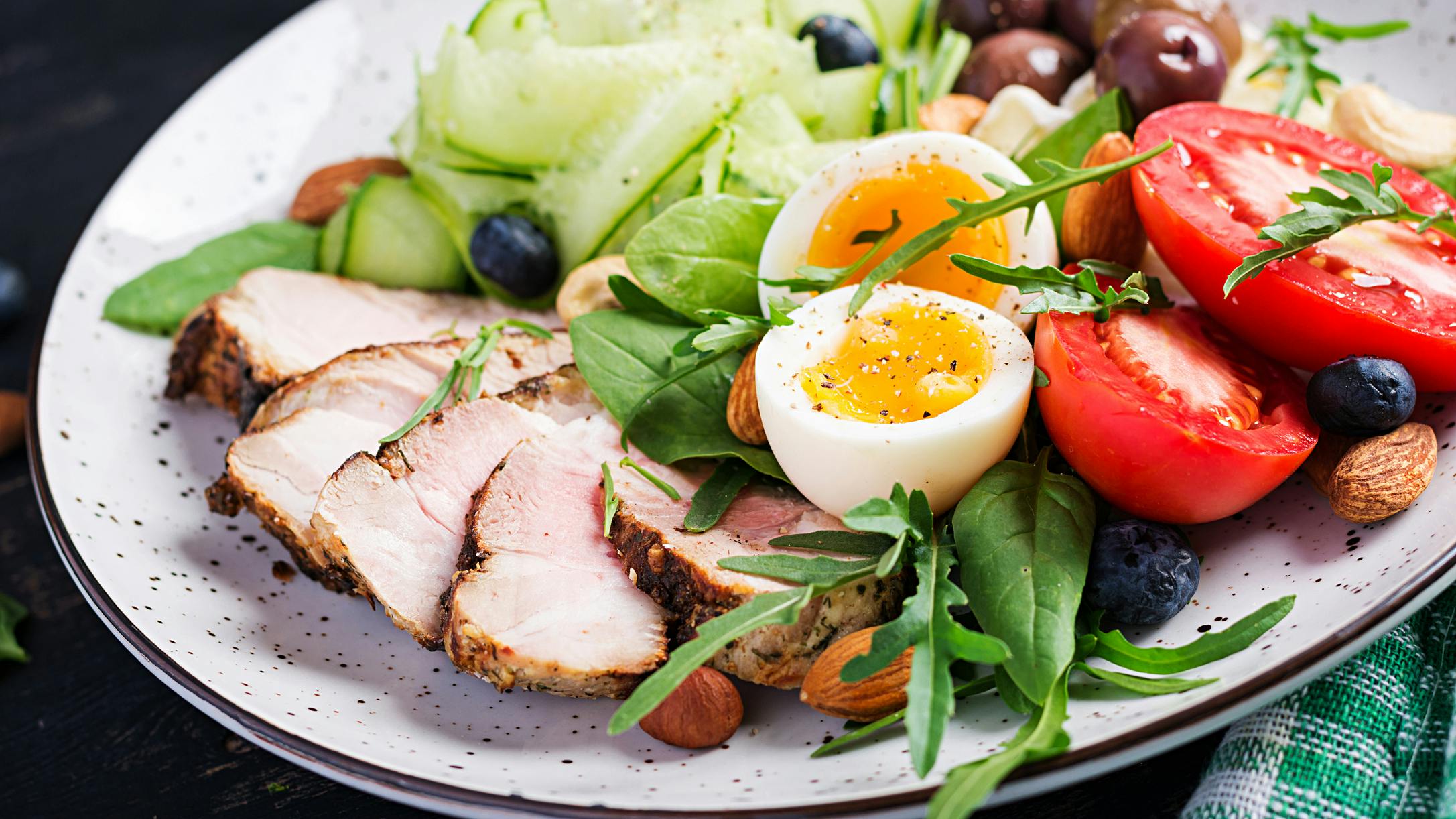
The Budget Keto Protocol: My Data-Driven System for Slashing Your Grocery Bill
As a data analyst, I’m constantly told that the ketogenic diet is expensive. People point to the high cost of grass-fed ribeyes, almond flour, and boutique MCT oils as proof that it’s a diet for the wealthy. My analytical mind rejects this. I believe any problem can be solved with a better system.
So, I treated it like a data problem. I analyzed grocery costs, nutrient density, and food waste to develop a ruthlessly efficient protocol for doing keto on a rock-bottom budget. This isn’t about fancy recipes; it’s about strategic sourcing, zero-waste execution, and avoiding the traps that drain your wallet. This is my system.
Phase 1: Strategic Sourcing & The Efficiency Buy List
Your savings start before you even set foot in the kitchen. A successful budget keto plan is built on a foundation of high-value, low-cost staples. Based on my analysis of cost-per-gram of protein and fat, this is your core buy list.
- The “Buy” List:
- Proteins: The data overwhelmingly points to eggs, 80/20 ground beef, whole chickens, and canned fish (tuna/mackerel) as the kings of budget protein.
- Fats: Stick to the basics: butter, olive oil, and saved bacon grease. Saved grease is a free byproduct of cooking bacon, giving it an infinite ROI.
- Produce: My analysis shows frozen vegetables (spinach, broccoli, cauliflower rice) consistently beat fresh for cost and nutrient retention. They are picked and frozen at peak ripeness, and you can use exactly what you need, eliminating waste.
- Shopping Tactics (The “Alpha” Protocol):
- The Markdown Meat Strategy: Every grocery store has a section for meat that is near its sell-by date. My data shows this is often marked down by 30-50%. Buy it and put it directly in your freezer.
- Go Generic: There is zero functional difference between brand-name paprika and generic paprika. For staples like spices, oils, and canned goods, always buy the store brand.
- The “Protein-Per-Dollar” Calculation: This is my secret weapon. Before you buy, do a quick mental calculation. If a 3lb package of chicken thighs costs $6 (that’s $2/lb) and a 2lb pork loin costs $5 ($2.50/lb), the chicken is the more efficient protein purchase this week. Always think in cost-per-pound.
Phase 2: The “Zero-Waste” Kitchen & The Supplement Offset
This is where you stop throwing money in the trash. A zero-waste kitchen isn’t just about environmentalism; it’s about maximizing the value of every single dollar you spend.
- Batch Cooking & Freezing: Never cook for one meal. Cook ground beef and chicken in bulk at the beginning of the week. Freeze portions in containers for grab-and-go lunches. I use silicone muffin molds to freeze perfect individual servings of rendered fats, egg bites, or even bone broth.
- Scrap Utilization (My “Supplement Offset” Strategy):
- Bone Broth: That whole chicken you bought? After you’ve roasted it and picked off the meat, boil the carcass in a pot of water with some salt. The result is quarts of free, electrolyte-rich bone broth. This single-handedly replaces the need to buy a $25 container of electrolyte powder and a $5 box of chicken stock.
- Pickle Juice: The brine left over in a pickle jar is liquid gold. It’s packed with sodium and electrolytes. Take a shot of it before a workout instead of buying sports drinks.
- Fat Rendering: Never, ever drain bacon or ground beef grease down the sink. Pour it into a jar and keep it in the fridge. This is now your primary cooking fat, replacing the need to buy expensive bottles of avocado or coconut oil. It’s a 100% free byproduct.
Phase 3: Meal Execution & Budget-Friendly Recipes
You don’t need to be a chef. You need efficient, repeatable meal templates.
- Breakfast:
- Hard-boiled eggs. Make a dozen at the start of the week. Sprinkle with cheap bulk spices like Everything Bagel seasoning or paprika. This is the fastest, cheapest keto breakfast on the planet.
- “Frittata Cups.” At the end of the week, whisk leftover eggs with any vegetable scraps (onion ends, limp celery) and cheese ends you have. Bake in a muffin tin for portable breakfasts.
- Lunch:
- The “Tinned Salad.” Canned tuna or chicken, mixed with mayo and filled out with cheap, crunchy celery or pickles. It takes two minutes to make and costs less than a dollar.
- Leftover “Stir-Fry.” Take a portion of your pre-cooked ground beef from the freezer, heat it in a pan with a handful of frozen cauliflower rice and a splash of soy sauce. Lunch is ready.
- Dinner:
- Embrace the Roast: A slow-cooked pork shoulder or a whole roasted chicken has an incredibly high yield and a low cost-per-pound. One roast can provide dinner for a night, lunch for two days, and a carcass for broth.
- “Filler” Meals: Casseroles are your best friend. You can use eggs and cheese as “filler” to bulk up smaller amounts of meat, stretching one pound of ground beef into a meal that feeds a family.
- Snacks:
- Homemade Cheese Crisps. Place slices of provolone on parchment paper and bake until crispy. This costs pennies compared to a $7 box of keto crackers.
- Celery with Peanut Butter. A classic for a reason. It’s cheap, crunchy, and filling.
Phase 4: The Inefficiency Traps to Avoid
My analysis shows that most budget failures happen because of a few key mistakes.
- The “Keto” Label Trap: This is rule number one. If a product is in a box and proudly yells “KETO!” on the front, you are being scammed. My data shows these products (cookies, breads, bars, cereals) carry an average 300% price markup. You are paying for marketing, not nutrition. Avoid them completely.
- Hidden Carb Creep in Budget Meats: Be a detective. Cheap sausages, hot dogs, and pre-marinated meats are often bulked up with carb-heavy fillers like corn syrup, breadcrumbs, or potato starch. Read the ingredients. If sugar is on the list, put it back.
- The False Economy of “Fresh”: It feels virtuous to buy a beautiful head of organic lettuce, but my analysis of food waste data shows it’s a trap. If it wilts in your fridge before you can eat it, you’ve wasted 100% of your money. Stick to heartier, longer-lasting fresh veg like cabbage and zucchini, and rely on frozen for everything else. This alone will save you a fortune.