Chickpeas and Beans: The Nutrition Truth, Keto Reality, and the Best Low-Carb Swaps That Actually Work
I used to lump chickpeas into the “healthy food” bucket and call it a day. But once I started digging into the macro math, the blood-sugar research, and what real people do when they’re trying to stay low-carb, the story got more interesting.
Beans (including chickpeas/garbanzo beans) are nutrient-dense. They’re also carb-dense. Whether they belong on your plate depends less on ideology and more on what you’re trying to achieve—keto ketosis, gluten-free safety, vegan protein goals, or simply better everyday nutrition.
Below is my no-hype guide to chickpeas and other beans—what they really offer, where they clash with keto, and what I recommend instead when you want the same “job” (creaminess, bite, binding power) with fewer carbs.
I. The Nutrition Truth About Beans (and Where They Fit)
A) Nutrition snapshot: why beans earned their “superfood” reputation
Beans are genuinely impressive on paper:
- High fiber + decent protein + low fat makes them filling and surprisingly helpful for appetite control.
- They’re packed with micronutrients—especially folate, potassium, and iron.
- They also provide lysine, an essential amino acid that’s often lower in grain-heavy diets (one reason beans + grains became a classic pairing in many cultures).
If your priority is overall diet quality (not strict ketosis), beans are one of the most efficient “nutrition-per-dollar” foods in the grocery store.
B) Carb reality check (using chickpeas as the reference point)
Here’s the part people gloss over.
When I pulled macro data for cooked chickpeas, the numbers were consistent across major nutrition trackers:
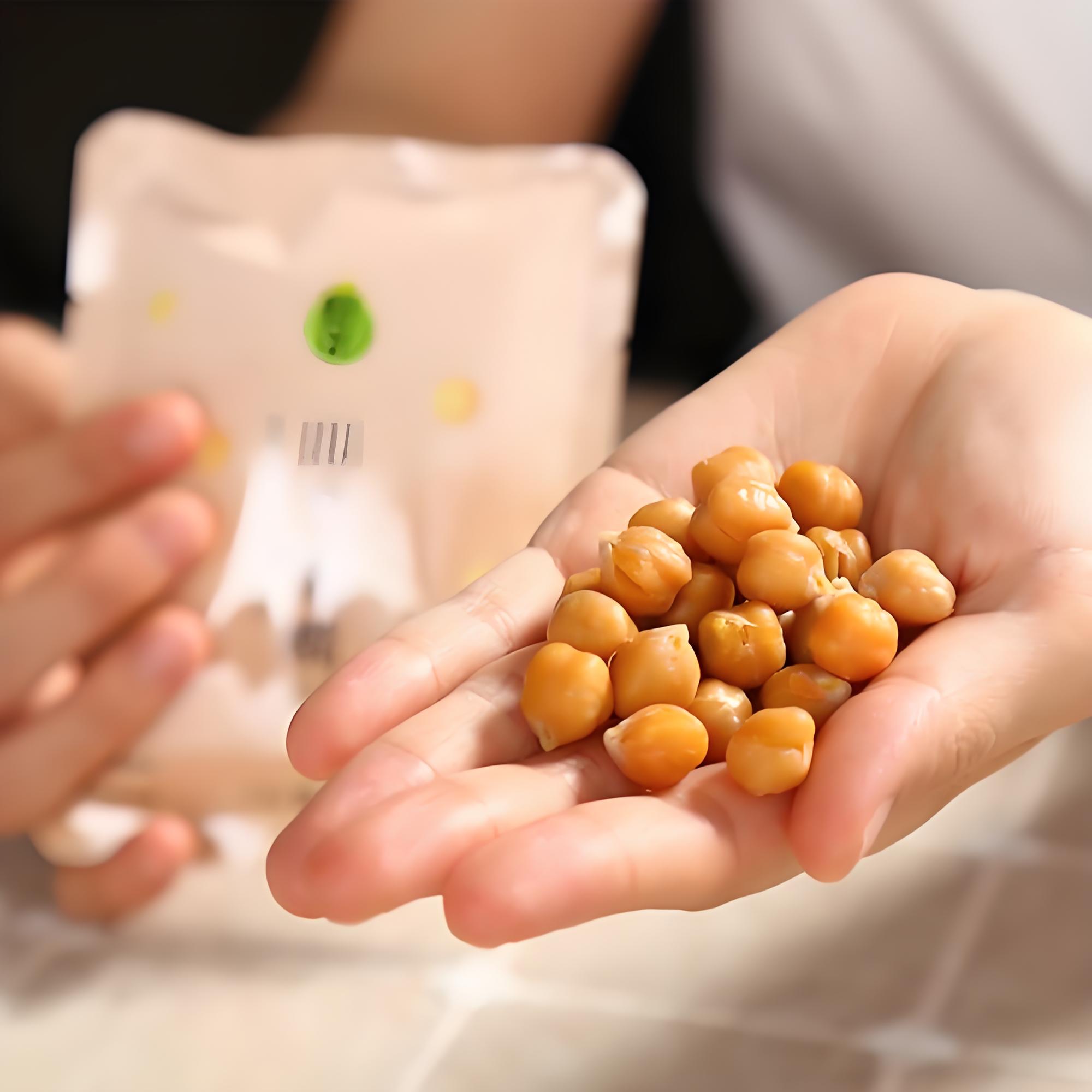
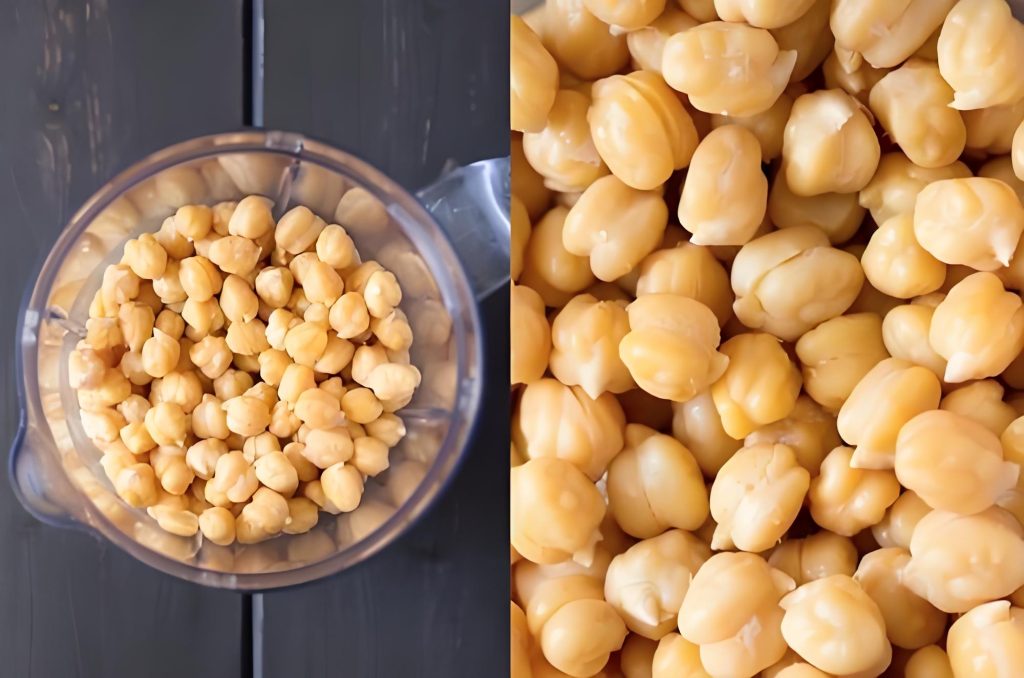
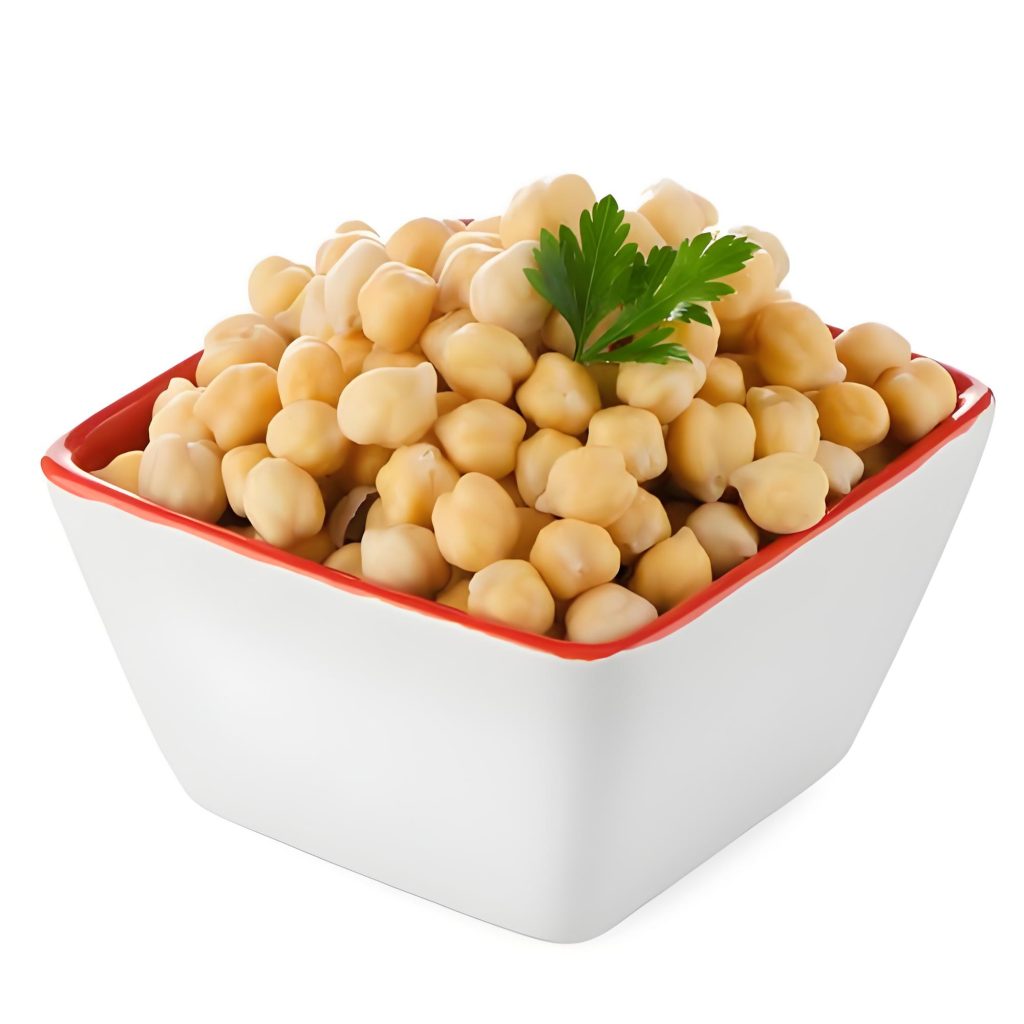
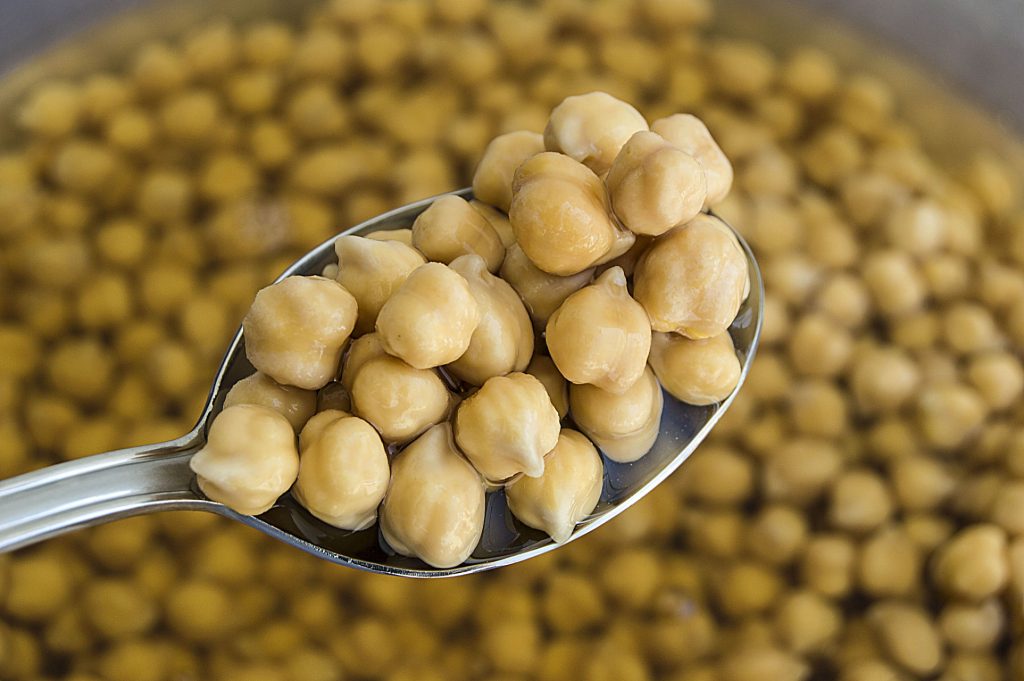
- 1 cup cooked chickpeas: about 45g total carbs and roughly 33g net carbs (after fiber).
That’s not “a little carb.” For many keto plans, that’s basically the entire day.
And chickpeas aren’t alone. Most common beans land in the same general neighborhood: high fiber, yes—but still too many net carbs for strict keto unless you’re measuring portions like a scientist.
C) Compatibility: keto vs. gluten-free vs. vegan
- Keto: Strictly speaking, beans are not keto-friendly. They can push you out of ketosis fast—unless you keep portions extremely small (think 1–2 tablespoons or under ~1/4 cup, depending on your daily carb target).
- Gluten-free: Beans are naturally gluten-free, making them a great staple for people managing celiac disease or gluten sensitivity (just watch for cross-contamination in packaged foods).
- Vegan: Beans are a core plant protein. And when you use techniques like fermentation (or even just aggressive roasting + seasoning), they can deliver the savory depth people usually associate with meat.
II. Why I’d Choose Beans (or Skip Them), Depending on the Goal
A) Health effects: what the science supports (and what it doesn’t)
Beans tend to have a low glycemic index (GI), largely thanks to fiber and resistant starch. Practically, that often means:
- Smaller post-meal blood sugar spikes compared to refined carbs.
- In the short term, swapping beans in for higher-GI foods can improve post-meal glucose response.
But when I look at longer-term outcomes, the picture is more mixed: beans can be part of a healthy pattern, but they’re not a guaranteed “insulin sensitivity fix” on their own. The overall diet context still matters.
B) Sustainability: beans are quietly elite
Beans are also a sustainability win. Many are nitrogen-fixing crops, meaning they can help reduce dependence on synthetic fertilizers and generally come with a lower carbon footprint than most animal proteins.
If I’m balancing health, budget, and environmental impact, beans are hard to beat—again, assuming I’m not trying to stay in ketosis.
III. The Ultimate Substitution Guide
A) Low-carb “hummus” alternatives that still scratch the itch
If what you want is creamy, garlicky, lemony dip energy, you don’t actually need chickpeas. I’ve tested enough versions to say: the base matters less than the structure (a mashable vegetable + fat + acid + salt).
Vegetable-based bases (best for budget + carbs):
- Roasted cauliflower: mild, thick, very “hummus-adjacent”
- Zucchini: lighter and fresher (best when you squeeze out water)
- Eggplant (baba ganoush style): smoky, rich, naturally creamy
Nut/bean-based bases (best texture, higher cost):
- Black soybeans: the closest “bean” vibe with far fewer net carbs than chickpeas
- Macadamia nuts: insanely creamy, very keto—also the priciest
- Blanched almond: clean flavor, good body
Cost-efficiency reality check (how I’d choose):
- If you’re on a budget, zucchini or cauliflower wins. They’re cheap, widely available, and you can make a big batch without feeling it in your grocery bill.
- If you want the most luxurious texture and you don’t mind paying for it, macadamia hummus is the splurge move—but it’s dramatically more expensive per batch than zucchini-based versions.
B) Swaps for stews, salads, and side dishes (texture matters here)
In stews and grain bowls, chickpeas do two jobs: bite and bulk. So I replace the function, not the ingredient.
To mimic that “lentil-ish” bite:
- Chopped walnuts can add a hearty chew
- Hemp hearts add little “granules” that make salads feel more substantial
Whole-bean-like substitutes (lower carb options):
- Black soybeans (my #1 pick for low-carb chili/stew vibes)
- Lupini beans (very low carb, but you need properly prepared/packaged ones—don’t DIY unless you know what you’re doing)
- Green beans (not the same, but surprisingly good as a “bulky” stand-in in saucy dishes)
What I see recommended in the wild (and it works):
In Moroccan-style stews where chickpeas are traditional, people often swap in black soybeans or even chunked cauliflower. Cauliflower won’t imitate a chickpea perfectly—but it will carry sauce and make the bowl feel complete without the carb hit.
C) Baking with chickpea flour: gluten-free alternatives (and the binding problem)
Chickpea flour isn’t just “flour.” It brings starch + protein, which affects binding and structure—especially in savory recipes like veggie patties or vegan meatballs.
Gluten-free flour alternatives:
- Almond flour
- Tapioca flour
- Rice flour
- Buckwheat flour
The functional chemistry tip most recipes skip:
When I replace chickpea flour with almond flour in something that needs to hold together (falafel-style balls, veggie fritters, patties), I almost always need a binder because almond flour lacks the same starchy “glue.”
What works reliably:
- Add psyllium husk powder or ground flaxseed to mimic that gel-like binding and keep the mixture from crumbling.
IV. Practical Tips + Food Science Moves
A) If you’re doing keto and still want beans sometimes
If you’re determined to include beans while staying keto-ish, the only way I’d do it is:
- Portion control: keep it around 1/4 cup max—or even 2 tablespoons if you’re tight on net carbs that day.
- Avoid hidden traps:
- Check canned beans for added sugar
- Many store-bought hummus tubs include cheap seed oils and unnecessary fillers—if you care about ingredient quality, homemade is usually cleaner.
B) Food processing “magic” that changes how beans behave
- Fermentation (industrial or culinary-style): can improve flavor dramatically and may increase perceived savoriness (umami). It can also make bean-based foods easier for some people to digest.
- Resistant starch hack (at-home, practical):
If I cook beans, then refrigerate them for ~24 hours before eating, I’m increasing resistant starch. That doesn’t turn beans into keto food, but it may slightly improve post-meal glucose response for some people—especially if the beans replace refined carbs.
V. Quick Comparison Table: Common Beans and Their Best Keto-Style Replacements
| Bean / Bean Product | Carb Reality (Practical Take) | Best Keto-Friendly Substitute (by “function”) |
|---|---|---|
| Chickpeas (garbanzo) | High net carbs per cup; easy to overeat | Cauliflower dip for hummus; black soybeans for stews |
| Black beans | High net carbs in normal portions | Black soybeans (closest vibe, much lower net carbs) |
| Kidney beans | Similar “carb-heavy in real servings” issue | Black soybeans or chunky mushrooms + cauliflower in chili |
| Lentils | Nutrient-dense but not keto in usual servings | Chopped walnuts + hemp hearts for texture in salads |
| Chickpea flour | Great binder, but starchy | Almond flour + psyllium/flax to restore binding |