
Multicultural Keto: Making Low Carb Work for Dietary Diversity
Bunless burgers, mashed cauliflower, everything bagel-flavored items – all keto foods that can be delicious but aren’t typical fare (and will likely draw strange looks from family).
For many outside Western culture, this is common when switching to keto. While keto’s popularity has grown, most online info and recipes target Western audiences.
But keto can benefit people worldwide from various cultures, religions, and regions. This article discusses fitting keto into your food culture, not the other way around.
What Is Keto?
Keto is a very low-carb diet inducing nutritional ketosis, where the body burns fat instead of carbs for fuel. It’s usually moderate in protein and high in fat.
Nutritional ketosis benefits:
- Weight loss: It may help by curbing appetite and making it easier to burn stored fat, preserving muscle mass and metabolic rate.
- Blood sugar and insulin control: It may lower high insulin levels and improve insulin sensitivity, aiding in blood sugar management. It’s been successful for many with type 2 diabetes.
- Brain function: A ketogenic diet is beneficial for epilepsy and may help prevent cognitive decline.
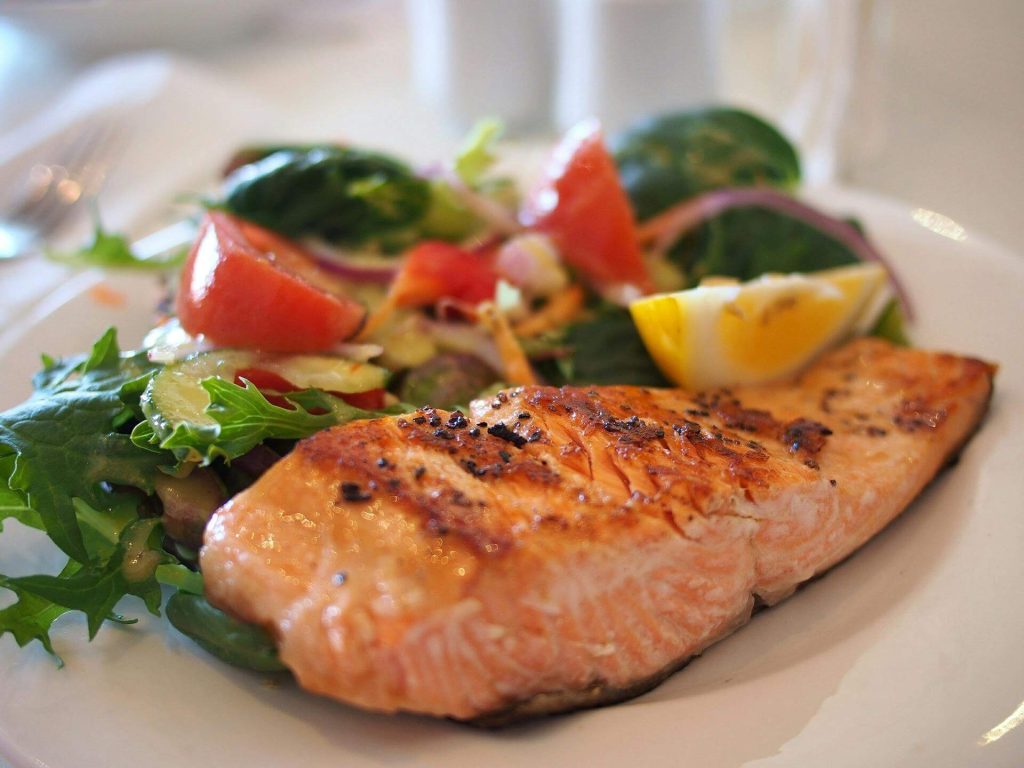
On keto, your diet mainly consists of animal protein, non-starchy vegetables, low-carb fruits, nuts, seeds, and healthy fats and oils. Sugary foods, most fruits, bread, pasta, beans, rice, potatoes, and sweetened drinks are avoided due to high carb content.
Who May Benefit from Keto?
The WHO notes over 1.9 billion people are overweight, with 650 million obese (pre-COVID-19 data). Also, 422 million had diabetes as of 2014. Obesity and related chronic diseases are global issues, so many could benefit from keto.
Is Keto Culturally Inclusive?
Keto seems Western or Americanized due to online resources and communities, but it’s for everyone. Conditions it helps with occur globally, and its popularity is rising worldwide. However, resources for adapting keto to specific cultural or religious needs are still limited.
10 Tips for Adapting Keto for Your Cultural and Religious Needs
1. Find online resources
The web can greatly assist those seeking guidance on cultural keto eating. Here are some helpful resources:
- Greek Goes Keto: A Mediterranean keto food and lifestyle blog.
- Low Carb in Indian Cultures with Dr. Roshani Sanghani: A lecture on keto for Indian culture from Diet Doctor.
- Low Carb Africa: An African keto food blog.
- How to Make Your Keto Diet Halal-Approved: Tips for following a Halal keto diet.
2. Search our recipe database
The Carb Manager app offers many keto-friendly recipes adapted to different regional and cultural foods. You can search by cuisine type, country of origin, or religious designation.
3. Focus on what you can eat
On keto, you can still enjoy many foods by creatively substituting high-carb items like rice, bread, potatoes, beans, pasta, and sweets. Meats, vegetables, oils, herbs, spices, and certain sauces are still allowed.
Take stock of ingredients you can enjoy on keto that are important to your culture or religion. Focusing on these makes fitting keto into your culture easier.
4. Try making keto-friendly versions
If you enjoy cooking, try creating keto-friendly versions of your favorite traditional dishes. Look for recipes online or develop your own using your culinary skills.
5. Don’t stress over going off-plan
Sometimes, eating non-keto foods is unavoidable, and that’s okay. For example, Catholics might partake in communion despite the high-carb wafers and wine. Cultural traditions around high-carb foods are also acceptable, especially during annual holidays. A brief deviation from your plan is unlikely to significantly impact your overall success.
6. Get support from your community
If your community shares your dietary practices, inform them of your keto journey and reasons. They’ll likely support your health goals and offer unique insights to help you succeed.
7. Seek professional advice
Some health professionals specialize in keto for specific cultures, like Indian and Mexican. If you need help balancing keto with your cultural diet, consider consulting such experts.
8. Use social media to your advantage
Social media connects people globally. Search for others on keto who share your culture. Instagram is a great starting point!
9. Speak up for your needs
In keto groups, suggest ways to make it more accessible for your culture. Highlighting diverse cultures in Western-dominated conversations is crucial for inclusion.
10. Let us know how we can help
Carb Manager has a global user base with diverse dietary needs. Our recipe developers are open to your requests to expand our recipe selection. Share your cultural food ideas for keto-friendly adaptations, and we’ll work to include them in the app!


