
Stuck on Keto? I Analyzed the Data. Here’s Your Ultimate Guide to Breaking That Weight Loss Stall
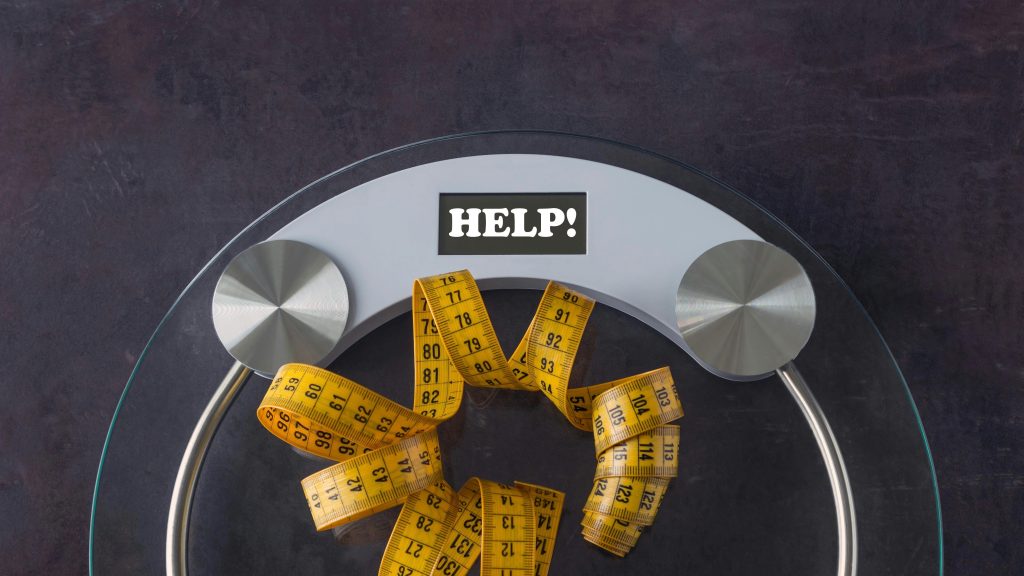
There’s nothing more deflating. The first few weeks on keto were amazing, right? The water weight just melted away, your energy was through the roof, and you felt like you’d finally cracked the code. Then, one day, the music stops. The number on the scale refuses to budge. Week after week, nothing.
You’ve hit the dreaded keto weight loss plateau.
Before you throw in the towel and declare that “keto doesn’t work anymore,” I want you to take a breath. As someone who lives and breathes data—both in my day job and in my own health journey—I’ve been in this exact spot. So, I did what I do best: I dug into the research, I tracked everything, and I treated my own stall as a puzzle to be solved.
A plateau isn’t a failure; it’s a data point. It’s your body sending you a signal that it’s time to adjust your strategy. I’m going to walk you through my personal, data-driven framework for diagnosing and breaking through any keto stall.
Part 1: The “Why” — Diagnosing Your Stall
First, we have to play detective. The reason for a stall is rarely a mystery; it’s usually one of these common culprits hiding in plain sight.
1. The Hidden Carb Audit & The Sneaky Insulin Spikers
When my weight loss halts, the very first thing I do is a “hidden carb audit.” We get so good at avoiding bread and pasta that we forget carbs are masters of disguise. I’ve found them in:
- “Zero-Carb” Foods: Certain types of shellfish and organ meats like liver contain more carbs than you’d think.
- Sauces & Dressings: That seemingly innocent sauce could be loaded with sugar or starchy thickeners.
- Medication Fillers: Believe it or not, some prescription and over-the-counter pill fillers use carb-based binders.
Then there’s the sweetener trap. Not all keto-friendly sweeteners are created equal. My investigation showed that maltodextrin, a common bulking agent in powdered sweeteners, can absolutely spike insulin just like sugar. For some of us, certain sugar alcohols found in packaged “keto” snacks can also cause an insulin response and stall progress, even if they don’t count toward net carbs on the label.
2. The Uncomfortable Truth About Energy Balance
I love the metabolic benefits of ketosis, but I have to be honest: it doesn’t grant you a magical exemption from the laws of thermodynamics.
- Calories Still Count: Fat is incredibly calorie-dense. Those delicious “fat bombs,” bulletproof coffees, and handfuls of nuts add up fast. If you’re consistently eating more energy than your body is using, it has no reason to burn its own stored body fat—even if you’re in deep ketosis. I was guilty of this myself in the beginning.
- Tracking Errors are Real: We’re notoriously bad at estimating our food intake. Research consistently shows that people can underestimate their daily calorie consumption by 35% or more. A “tablespoon” of almond butter can quickly become three if you’re not measuring.
- Metabolic Adaptation (aka “Starvation Mode”): This isn’t a myth, but it’s often misunderstood. If you’ve been in a steep calorie deficit for a long time (consistently eating under 1200 calories, for example), your body, in its infinite wisdom, can decide that a famine is underway. In response, it can down-regulate crucial thyroid hormones and decrease your NEAT (Non-Exercise Activity Thermogenesis)—the calories you burn from fidgeting, walking, and just living. Your metabolism literally slows down to conserve energy and protect you.
3. Your Own Biology: Hormones That Can Halt Fat Loss
Sometimes, the stall isn’t just about food. It’s about your internal environment.
- Gender Differences: Ladies, I see you. Our journey is often different. Our hormonal system, governed by estrogen and the menstrual cycle, makes us unique. During the luteal phase (the week or so before our period), insulin sensitivity can decrease, making us more prone to stalls and cravings. It’s not a failing; it’s our biology.
- The Stress Hormone “Fat-Locker”: I call cortisol the “fat-locker” hormone. When you’re under chronic stress (from work, life, or even lack of sleep), your body pumps out cortisol. This hormone can signal your body to store fat, particularly around the abdomen, and can even raise your blood sugar, kicking you out of ketosis without you eating a single carb.
- Sleep Debt: Skimping on sleep is like taking out a high-interest loan on your health. I’ve seen the data: poor sleep sends your hunger hormone (ghrelin) soaring while suppressing your satiety hormone (leptin). The result? You wake up physically craving high-energy, often carb-heavy, foods.
Part 2: The Core Strategy — My Standard Protocol for Breaking a Stall
Once you’ve identified the likely culprit, it’s time to act. This is my go-to, standard operating procedure.
1. Dietary Strategy Adjustments
- Recalculate Your Macros: This is non-negotiable. The macros that helped you lose the first 20 pounds will not help you lose the last 20. As you get smaller, your body’s base energy requirement (BMR) decreases. You have to adjust your calorie and macro targets to reflect your new weight.
- Deploy Intermittent Fasting (IF): If you aren’t already, now is the time to start. IF is a powerful tool for controlling insulin. By restricting your eating to a specific window (my go-to is 16:8, eating in an 8-hour window), you reduce the frequency of insulin stimulation, giving your body more time in a fasted, fat-burning state. For the more advanced, OMAD (One Meal a Day) can be even more effective.
- Prioritize Protein: This was a game-changer for me. Protein has a higher Thermic Effect of Food (TEF), meaning your body burns more calories just digesting it compared to fat or carbs. It’s also incredibly satiating. I recommend slightly increasing your protein goal while slightly decreasing your added dietary fat. This encourages your body to use its own stored fat for fuel instead of the fat from your plate.
2. Lifestyle Interventions
- Actively Manage Stress: Knowing that cortisol stalls fat loss, I made stress management a priority. I leverage the natural calming and neuroprotective effects of ketones by pairing my diet with a daily meditation practice. Even 10 minutes can make a difference.
- Increase Your NEAT: The gym is great, but the other 23 hours of the day matter more. I wage a daily war on the sedentary lifestyle. I take calls while pacing, I always opt for the stairs, and I use a standing desk for part of my day. These small movements add up to hundreds of extra calories burned.

Part 3: Advanced Tactics — When You’re Still Stuck
If you’ve implemented the standard protocol and the scale still isn’t moving, it’s time to look at some deeper, more nuanced strategies.
1. The Omega Ratio Fix
This was my “aha!” moment. I realized that not all fats are created equal. If you’re stalled despite doing everything else right, the culprit could be chronic inflammation, which causes your body to hold onto water weight, masking fat loss.
- My Action Plan: I did a full audit of my fat sources and completely eliminated all industrial seed oils (like soybean, corn, and canola oil). I also reduced my intake of foods high in Omega-6 fatty acids, like excessive almonds or almond flour.
- The Swap: I replaced them with anti-inflammatory monounsaturated fats (avocado oil, olive oil) and Omega-3s (fatty fish like salmon, and grass-fed meat). This shift helped my body release stubborn inflammatory water retention.
2. Thyroid and Micronutrient Optimization
Your thyroid is your metabolism’s engine, and long-term dieting can sometimes slow it down. Specifically, the conversion of inactive T4 to active T3 thyroid hormone can be suppressed.
- My Action Plan: I started “feeding my thyroid” by focusing on key micronutrients. This isn’t about mega-dosing supplements, but about using whole foods:
- Selenium: Just one or two Brazil nuts a day.
- Iodine: Sea vegetables like kelp or nori.
- Zinc: Red meat and oysters are fantastic sources.
3. The Reverse Diet
This sounds completely backward, but for those who have been stuck in a long-term, low-calorie stall, it is often the only way out. It’s a strategy I used to reboot my metabolism.
- Who It’s For: If you’ve been chronically under-eating and your weight is stagnant, your metabolism has likely adapted downwards.
- My Action Plan: I began to slowly and systematically increase my daily calories by 50-100 each week, primarily from protein and fat. I did this until I reached my new, calculated maintenance level. This process convinces your body that the “famine” is over, prompting it to up-regulate metabolic rate. It’s the ultimate reset, preparing your body for a more effective and successful fat loss phase in the future.
4. Recalibrating Your Mind and Your Expectations
- Embrace Non-Scale Victories (NSVs): The scale is a terrible data source. It fluctuates with water, hormones, and digestion. I learned to focus on what really matters: my body measurements, how my clothes fit, my soaring energy levels, and my improved mood. These are the true indicators of success.
- Trust the “Whoosh Effect”: This is a real physiological phenomenon. After fat cells release the triglycerides they’ve been storing, they can temporarily fill up with water before shrinking. This can cause your weight to stay the same or even tick up for days or weeks, right before a sudden drop—the “whoosh.” I’ve learned to be patient. If you are doing the right things, the whoosh will come.
A weight loss plateau is not a stop sign. It’s a fork in the road. It’s an invitation to listen to your body, analyze the data, and make intelligent adjustments. You haven’t failed; you’ve just unlocked the next level of your health journey. Now you have the guide to win it.


