The Keto Bean Trap: My Data-Driven “Red/Yellow/Green” Guide for Staying in Ketosis
I’ve looked at enough nutrition labels, carb counters, and serving sizes to notice a pattern: beans are one of the most common “stealth” foods that knock people out of ketosis—often without them realizing it. They feel healthy (and they can be in many diets), but keto has a very specific rule: carbs must stay low enough to keep your body producing ketones. For most beans, that’s where things get messy.
Below is how I personally think about beans on keto—using net carbs, glycemic impact, and real-world portions—plus how I still get that “bean-y” comfort-food vibe without the carb hit.
1) Why Beans Are a Keto “Danger Zone”
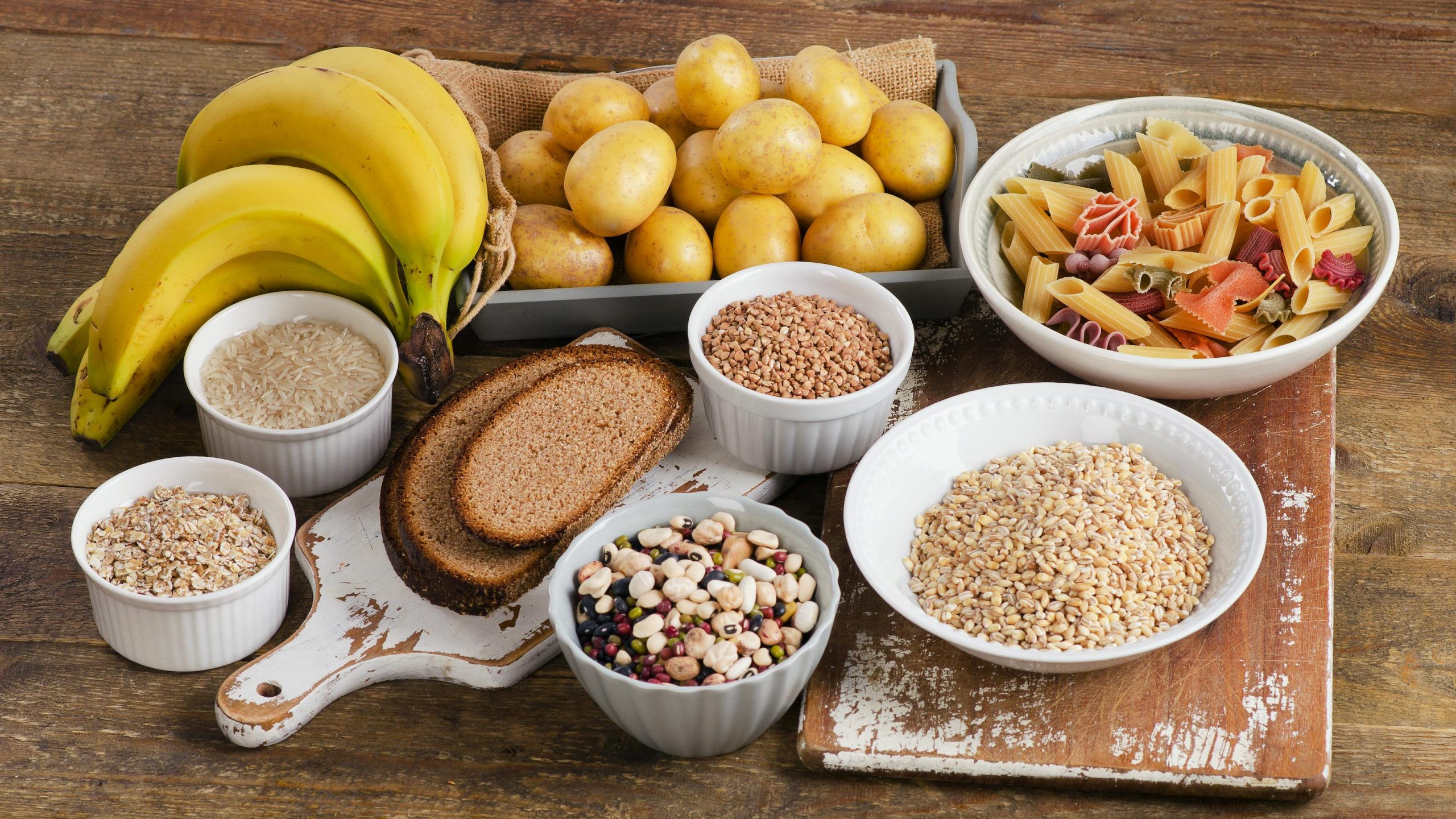
The carbohydrate trap: starch becomes sugar (and can break ketosis)
Most beans are built around starch, and starch is essentially long chains of glucose. Your digestive enzymes break it down into sugars, which raises blood glucose and typically increases insulin. If you’re trying to stay in ketosis, that’s the opposite direction you want to move.
On keto, it’s not just about avoiding “sweets.” It’s about minimizing anything that reliably turns into glucose in meaningful amounts—and beans often do.
The math people miss: net carbs aren’t “free carbs”
Keto folks love the net carb formula:
Net Carbs = Total Carbs − Fiber
That’s a useful shortcut, but here’s what I see in practice: beans can be high in fiber and still have too much starch left over. Fiber helps, yes—but it doesn’t magically erase the impact of the remaining digestible carbs.
So even when a bean looks “reasonable” on paper, the portion size that feels normal (like ½ cup to 1 cup in a chili bowl) can quietly push you over your daily carb limit.
GI (glycemic index) and insulin response: not all beans hit the same
Beans vary in how quickly they raise blood sugar. Some have a lower GI than bread or rice, which is why they’re often praised in general nutrition. But keto is stricter:
- Low GI doesn’t automatically mean “keto-friendly.”
- A slower rise can still be a rise—especially if the net carbs are high or the portion is large.
- Individual responses vary (sleep, stress, activity, protein/fat pairing), so what “works” for one person can still kick another person out of ketosis.
If you track ketones or glucose, beans are one of those foods where the data can surprise you.
2) Red Light vs. Green Light: My “Ultimate Bean Classification” for Keto
When I categorize beans, I’m not asking “Are beans healthy?” I’m asking: Will this realistically fit into a keto carb budget without constant micro-portions and frustration?
Green Light (best choices)
These are the options I’m most comfortable recommending for typical keto eaters.
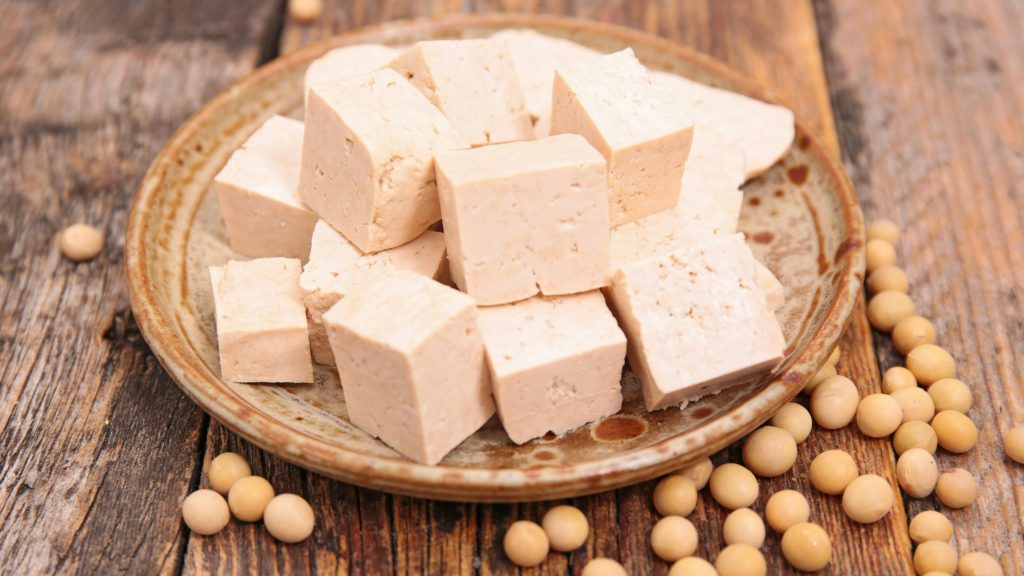
1) Black soybeans (the “miracle bean”)
If there’s one bean that consistently behaves like a keto food, it’s black soybeans. In many brands, ½ cup lands around ~1–2g net carbs, which is wildly different from most conventional beans.
Why I like them:
- High fiber + lower digestible starch
- Works in chili, soups, and salads without blowing up macros
- Actually feels like eating beans, not a sad substitute
2) Green beans (technically legumes, but they act like veggies)
Green beans are in the legume family, but nutritionally they behave much more like a non-starchy vegetable than a “starchy bean.”
Why they work:
- Lower net carbs per serving
- Easy to portion
- Fits seamlessly as a side dish with butter, garlic, bacon, almonds, etc.
3) Edamame (young soybeans)
Edamame is one of my favorite “snackable” keto-ish legumes because it’s typically higher in protein and healthy fats compared to many beans.
How I use it:
- As a small side, not a base carbohydrate
- Tossed with salt, chili flakes, or sesame oil
- Added to salads in controlled portions
Yellow Light (use extreme caution / very small amounts)
These can work, but only when you’re deliberate—portion, brand, and frequency matter.
1) Lupini beans (brand matters a lot)
Lupini beans are interesting because some processed/packed versions end up very low in net carbs. But I’ve learned the hard way: you can’t assume they’re all the same.
My rule:
- Check the label every time
- Treat them as a “specialty keto product,” not a standard bean
2) Fermented soy products (douchi / natto) as flavor, not a main dish
Fermented bean products can be keto-compatible when used the way many traditional cuisines use them: as a seasoning.
How I treat them:
- A few grams for umami depth
- Not a bowl of beans
- Used like you’d use anchovy paste or miso: small dose, big flavor
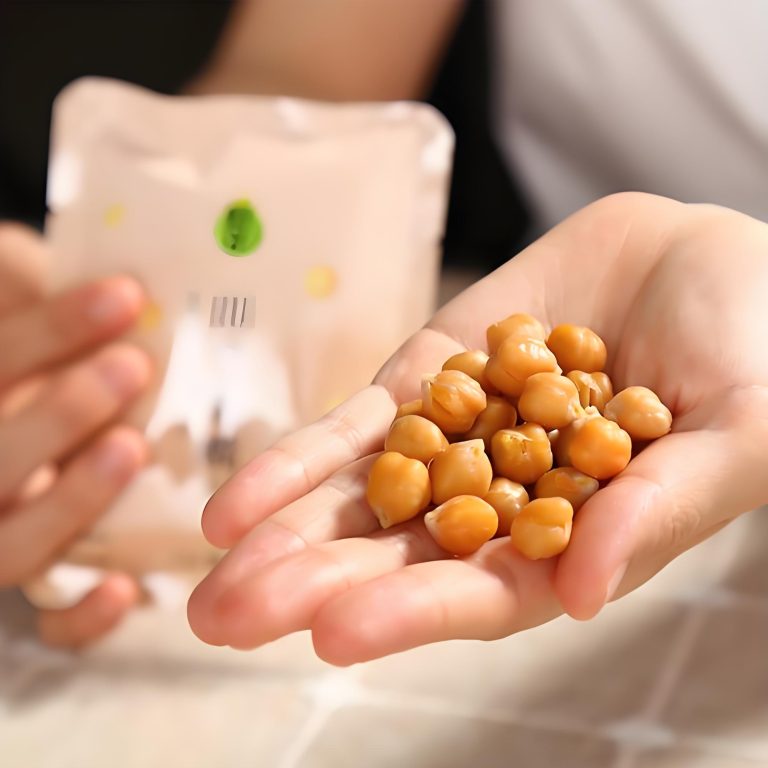
3) Lentils and chickpeas (only tiny amounts, or on keto-cycling days)
Lentils and chickpeas are the classic “healthy but not keto” foods. If I include them at all, it’s usually:
- A tiny amount for a specific recipe (like a small smear of hummus)
- Or reserved for keto cycling / higher-carb days
The problem isn’t that they’re “bad.” It’s that normal servings can eat up your carb budget fast.
Red Light (avoid if you want consistent ketosis)
These are the ones that most commonly derail keto, especially in standard serving sizes:
- Black beans
- Pinto beans
- Kidney beans
- Navy beans
- (and most “classic canned beans”)
In my experience, ½ cup often exceeds ~12g net carbs (sometimes more), and that’s before you add sauces, onions, tomato products, or sugary canned liquids. One “normal” bowl of chili can become a full day’s carbs in a hurry.
3) How I Get the “Bean Experience” Without Beans
Sometimes what you want isn’t the bean itself—it’s the comfort-food texture and the savory depth beans bring to dishes. Here’s what I use instead.
Texture mimicry (to replace the bite and body)
Boiled peanuts
This is an underrated trick. Boiled peanuts can deliver that soft, stew-friendly, bean-like texture in the right recipe.
Eggplant + mushrooms
Eggplant and mushrooms are my go-to “sponges” because they:
- Soak up broth and spices
- Add bulk and chew
- Make soups and stews feel hearty
Ground meat in chili (for volume and satisfaction)
If beans are there mainly to add volume, I replace them with:
- Ground beef, turkey, pork, or a mix
- Extra diced mushrooms for stretch
- More spices to keep it “chili,” not “meat sauce”
Flavor enhancers (to replace fermented bean umami)
If you love that funky, savory depth that fermented beans bring, I lean on:
- Nutritional yeast
- Garlic
- Ginger
- (Plus chili, scallions, sesame oil depending on the dish)
The goal is the same: umami + complexity, without turning the meal into a carb bomb.
4) Beyond the Basics: Advanced Keto Bean Knowledge I Actually Use
Lupin flour: the real “keto breakthrough”
If you want the benefits of legumes without eating a bowl of beans, lupin flour is where things get exciting.
I’ve seen it used successfully for:
- Low-carb “pasta” style doughs
- Keto bread blends
- Crackers and savory baked goods
It’s one of the few legume-based ingredients that can help recreate carb-heavy comfort foods in a keto-friendly way—assuming your label checks out and it agrees with your digestion.
Processing and cooking can change the impact (but not magically)
Sprouting
Sprouting can reduce some antinutrients and may shift how carbs behave. It can help, but I don’t treat sprouting as a free pass—I still count carbs.
Cooling and resistant starch (the “cold beans” concept)
Cooling cooked starches can increase resistant starch, which may blunt the blood sugar response for some people. That said:
- Resistant starch isn’t guaranteed to “save” a high-carb bean
- Your mileage varies a lot
- It’s not a loophole if you’re very carb-sensitive
Health warnings: beans aren’t neutral for everyone
Soy isoflavones and hormone concerns
Soy is controversial because of isoflavones (phytoestrogens). Most people tolerate moderate soy fine, but I pay attention if someone:
- Has specific hormone-sensitive conditions
- Is advised by a clinician to limit soy
- Notices symptoms personally when eating a lot of soy
My approach is practical: if soy is your only “green light” bean option, don’t let it become your entire diet. Rotate proteins when you can.
Lectins and gut issues: why some keto people avoid legumes completely
Some people feel bloated, inflamed, or “off” with legumes due to lectins and other compounds, especially if preparation is poor or digestion is sensitive.
If legumes consistently cause GI symptoms, the most keto-friendly move might be simple: skip them entirely and build meals around meats, eggs, seafood, low-carb veggies, and fats that make you feel good.